How to Reduce Ticks in Your Yard: A Tick-Safe Landscaping Guide
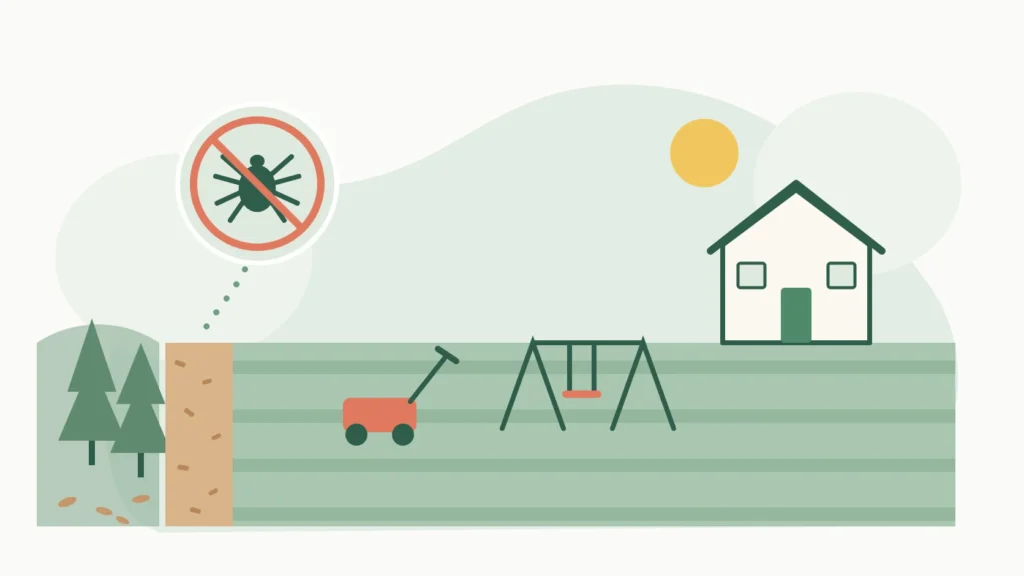
Many tick bites happen close to home. These practical landscaping steps, recommended by the CDC, can make your yard less friendly to ticks, plus an honest look at what tick tubes, bait boxes, and yard sprays can and can’t do.
Medical Disclaimer
LymeSearch provides educational information and does not offer medical diagnosis or treatment. Always follow product labels and local rules when using any pesticide. If you develop symptoms after a tick bite, contact a healthcare professional.
Affiliate disclosure: LymeSearch may earn a commission when readers buy products through some links on our website. Commissions do not determine how we describe the evidence for any supplement or test. Read our Affiliate Disclosure.
According to the CDC, many people who develop Lyme disease are exposed to infected ticks in their own yards or neighborhoods, not just in wooded or rural areas. That makes your yard one of the most useful places to focus your prevention efforts.
The good news: simple landscaping changes can make a real difference. A CDC report notes that tick populations around homes and recreational areas can be reduced by 50% to 90% through practices such as removing brush and leaf litter or creating a buffer of wood chips or gravel between woods and lawn.
Where Ticks Live in Your Yard
Blacklegged ticks, which spread Lyme disease, need high humidity to survive and die quickly in drier environments. That’s why they gather in shady, moist places: leaf litter, tall grass, brush, and the edge where a lawn meets the woods.
Ticks can’t jump or fly. They wait on leaf litter or the tips of grasses and shrubs and crawl onto people or animals that brush against them. Bright, sunny, open areas are less hospitable to ticks.
Tick-Safe Landscaping Steps
The CDC recommends these steps to reduce blacklegged ticks around your home:
- Remove leaf litter from around your home and at the edges of your lawn.
- Clear tall grasses and brush around your home and where the lawn ends.
- Mow the lawn frequently. Fewer blacklegged ticks have been found on well-maintained lawns that aren’t near brushy or grassy areas.
- Trim tree branches and shrubs to let in more sunlight. Ticks are less likely to be found in bright, sunny areas.
- Stack wood neatly in a dry area, which discourages rodents.
- Remove clutter such as old furniture, mattresses, or trash that can give ticks a place to hide.
One practical tip: where you put your raked leaves matters. In one study, piles of leaves from raking or leaf blowing were associated with more host-seeking ticks, so move leaf piles well away from the areas your family uses.
Create a Wood Chip or Gravel Barrier
The CDC recommends placing a 3-foot-wide barrier of wood chips or gravel between your lawn and wooded areas. This dry strip is difficult for ticks to cross and discourages contact with the brushy or grassy borders beyond your lawn.
If you have stone walls at the edge of your property, use the same kind of barrier to separate them from the lawn, since walls can shelter rodents.
Plan a Tick-Safe Zone
The CDC’s tick-safe zone diagram, based on work by the Connecticut Agricultural Experiment Station, divides a yard into areas:
| Zone | What to do |
|---|---|
| Tick zone | Woods and brush where deer, rodents, and ticks are common. Avoid spending time here. |
| Barrier | A 3-foot strip of wood chips or rock between the woods and your lawn. Keep woodpiles on this barrier, away from the house. |
| Tick migration zone | About 9 feet of mowed lawn between the barrier and the places you use most. |
| Tick-safe zone | Where you garden, relax, and play. Keep play sets, decks, and patios here, in sunny spots away from the yard edges and trees. |
Keep Deer and Rodents Away
Animals carry ticks into yards. The CDC suggests discouraging unwelcome animals such as deer, raccoons, and stray dogs with fencing. An 8-foot fence can keep deer out, and planting deer-resistant crops can make your garden less attractive to them.
Rodents are important hosts for young blacklegged ticks. Neat, dry woodpiles and less clutter give them fewer places to nest.
Yard Sprays, Tick Tubes, and Bait Boxes
Several products are sold to kill ticks in yards. It helps to know what the research shows, so you can decide what’s worth it for you.
Yard Sprays (Acaricides)
Pesticides that kill ticks, called acaricides, can be applied to lawns and the edges of woods by homeowners or pest control companies. Field trials generally show that chemical or biological acaricides reduce the number of ticks by 50% to 90%. Rules on pesticide use on residential property vary, so check local regulations and always follow the label.
Tick Tubes and Bait Boxes
These products target the mice and other small rodents that young ticks feed on:
- Tick tubes are cardboard tubes filled with permethrin-treated cotton balls. Mice collect the cotton for nesting material, which treats them and kills ticks on them.
- Bait boxes attract rodents with food and apply the acaricide fipronil to their fur as they pass through.
A benefit of these products is that the pesticide stays inside the device rather than being sprayed across your yard.
What the Research Shows
These products can lower tick numbers, but the evidence that they prevent illness in people is limited:
- In a randomized, placebo-controlled trial of 622 Connecticut households, rodent bait boxes didn’t significantly reduce household tick exposure or tickborne diseases.
- In a four-year study in New York neighborhoods, bait boxes were linked to fewer ticks, but neither bait boxes nor a fungal tick spray significantly reduced human tick encounters or tickborne diseases.
- CDC researchers note that substantial reductions in tick numbers have so far shown little to no documented effect on human tick bites or disease.
That doesn’t mean these products are useless; fewer ticks in your yard is a reasonable goal. But they shouldn’t replace repellents, tick checks, and the landscaping steps above.
Protect Your Pets
Pets can carry ticks into your home or yard, where the ticks may later bite a person. Talk to your veterinarian about the best tick prevention products for your pets, and check them for ticks daily.
Combine Yard Work With Personal Protection
Yard changes lower your risk but don’t eliminate it. For the best protection, also:
- Use an EPA-registered repellent and consider permethrin-treated clothing. See our guide to tick repellents.
- Wear long pants and sleeves for yard work, tucking pants into socks.
- Shower within two hours of coming indoors, and do a full-body check. See our guide to tick checks.
- Tumble dry outdoor clothes on high heat for 10 minutes to kill ticks.
If you find an attached tick, see our guide on what to do after a tick bite.
Frequently Asked Questions
How do I get rid of ticks in my yard?
Start with landscaping: remove leaf litter and brush, mow often, let in sunlight, and add a 3-foot wood chip or gravel barrier between lawn and woods. Some homeowners also use acaricide sprays, tick tubes, or bait boxes, which can reduce tick numbers.
Do tick tubes work?
Tick tubes are designed to kill ticks on mice. Rodent-targeted products have reduced tick numbers in some studies, but large trials of rodent bait boxes didn’t show fewer human tick encounters or tickborne diseases.
What time of year should I focus on my yard?
Ticks can be active year-round, but they’re most active from April through September. Young blacklegged ticks, the most common cause of Lyme disease, are most active from April through July, so spring yard cleanup is especially useful.
Are natural yard tick sprays effective?
CDC researchers note that natural-product acaricides are an alternative for people who don’t want synthetic pesticides, but they appear less effective and shorter-lasting. Some natural products marketed for tick control are exempt from EPA registration, so their effectiveness may not have been reviewed.
The Takeaway
Many tick bites happen close to home, and simple landscaping can make your yard far less friendly to ticks.
Clear leaf litter and brush, mow regularly, let in sunlight, and add a 3-foot wood chip or gravel barrier between lawn and woods. Keep play areas and patios in sunny spots away from the yard’s edges.
Tick sprays, tubes, and bait boxes can reduce tick numbers, but they haven’t been shown to prevent tickborne disease on their own, so keep using repellents and doing daily tick checks.
- Centers for Disease Control and Prevention Preventing Lyme Disease
- Centers for Disease Control and Prevention Preventing Tick Bites
- Centers for Disease Control and Prevention Lyme Disease: What You Need to Know (tick-safe zone diagram)
- Centers for Disease Control and Prevention Lyme Disease — United States, 2003–2005 (MMWR)
- Centers for Disease Control and Prevention How Lyme Disease Spreads
- Hinckley AF, et al. (CDC Stacks) Prevention of Lyme and Other Tickborne Diseases Using a Rodent-Targeted Approach: A Randomized Controlled Trial in Connecticut
- Emerging Infectious Diseases (CDC) Effects of Tick-Control Interventions on Tick Abundance, Human Encounters with Ticks, and Incidence of Tickborne Diseases in Residential Neighborhoods, New York, USA
- Eisen L, Stafford KC (CDC Stacks) Barriers to Effective Tick Management and Tick-Bite Prevention
- Eisen L, Dolan MC (CDC Stacks) Review: Evidence for Personal Protective Measures and Environmentally Based Control of Blacklegged Ticks
- Schulze TL, et al. (CDC Stacks) Community-Based Integrated Tick Management Programs (review of methods and costs)
These resources provide background on reducing ticks around homes and the evidence for tick control products. Always follow pesticide labels and local regulations.