Lyme Disease Brain Fog: Causes, Symptoms, and Management
Learn why Lyme disease can cause brain fog, how memory and concentration problems may persist after treatment, and practical approaches...
Read ArticleExplore clear, evidence-based guides to Lyme disease symptoms, including fatigue, brain fog, joint pain, neurological changes, and persistent symptoms reported after treatment.
Medical disclaimer: This guide is for educational purposes only and does not replace professional medical advice, diagnosis, or treatment. Contact a qualified healthcare professional if you suspect Lyme disease.
Browse LymeSearch guides by symptom and topic.
Learn about fatigue during Lyme disease and persistent fatigue after treatment.
Explore concentration, memory, and other cognitive symptoms reported with Lyme disease.
Understand joint swelling, musculoskeletal pain, and Lyme arthritis.
Read about neurologic manifestations associated with Lyme disease.
Explore sleep difficulties and their relationship with fatigue and symptom burden.
Learn what research shows about Lyme disease, immune responses, and inflammation.
Symptoms vary by person and stage of infection. A symptom alone cannot confirm Lyme disease.
Early Lyme disease may cause an expanding rash, fever, chills, headache, fatigue, and muscle or joint aches. The rash does not always form a bull's-eye pattern.
Later manifestations can include facial weakness, nerve pain, swollen joints, or heart rhythm problems. Learn more from the CDC's Lyme disease symptom guidance .
If you recently removed a tick, read our guide to what to do after a tick bite . For an overview of the infection, see Lyme Disease 101 .
Unusual tiredness can occur early in Lyme disease and sometimes continues after recommended treatment. Fatigue has many possible causes, so persistent or worsening symptoms deserve a medical evaluation.
Some people report trouble concentrating, remembering information, or thinking clearly, particularly among those with symptoms after treatment.
These problems are not specific to Lyme disease. Clinicians may assess sleep, medications, mood, and other medical causes.
Muscle aches and joint pain can occur early. Lyme arthritis may cause pronounced swelling in one or a few large joints, often the knee.
Read more about chronic inflammation and Lyme disease .
Some untreated infections affect the nervous system, causing facial weakness, shooting nerve pain, tingling, or severe headache with neck stiffness.
Seek prompt medical assessment for new neurologic symptoms. Sudden one-sided weakness, difficulty speaking, or other stroke-like symptoms require emergency care.
Poor sleep may accompany pain, fatigue, or other ongoing symptoms, but insomnia alone is not evidence of Lyme disease.
Discuss persistent sleep problems with a healthcare professional to identify possible contributing factors.
Contact a healthcare professional if you develop an expanding rash, fever, or other new symptoms after possible tick exposure.
Seek urgent evaluation for facial weakness, a severe headache with stiff neck, or a newly swollen joint. Chest pain, fainting, severe difficulty breathing, or stroke-like symptoms warrant emergency care.
Medical note: This page provides general education, not a diagnosis or treatment plan. Symptoms overlap with many other conditions.
Sources: CDC — Signs and Symptoms of Lyme Disease and CDC — Chronic Symptoms and Lyme Disease .
A clear look at inflammation during Lyme disease, persistent symptoms after treatment, and the questions researchers are still investigating.
Read the GuideNew LymeSearch guides covering symptoms and symptom management.
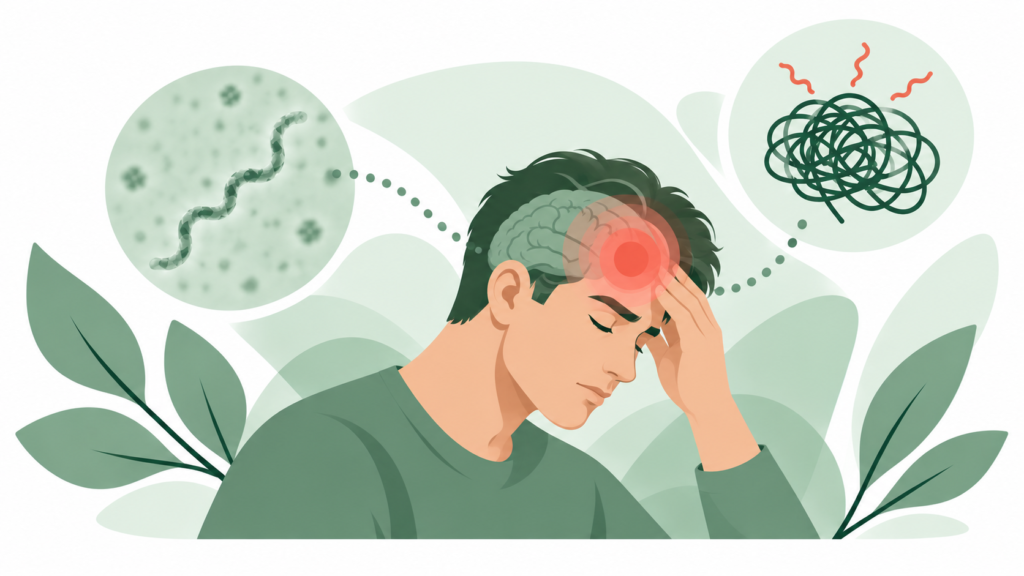
Learn why Lyme disease can cause brain fog, how memory and concentration problems may persist after treatment, and practical approaches...
Read Article
Learn why Lyme disease can cause fatigue, why exhaustion may persist after treatment, and what approaches may help manage symptoms...
Read Article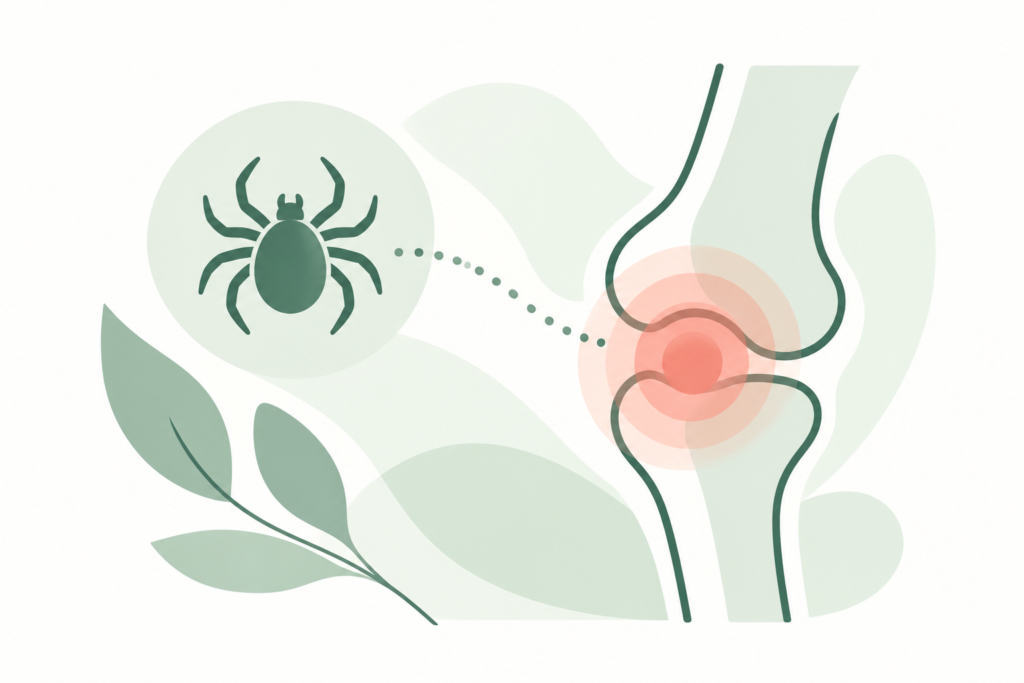
Explore how Lyme disease triggers inflammation, why symptoms may persist after treatment, and what research reveals about managing ongoing inflammatory...
Read ArticleLearn what Lyme disease is before diving deeper into individual symptoms.