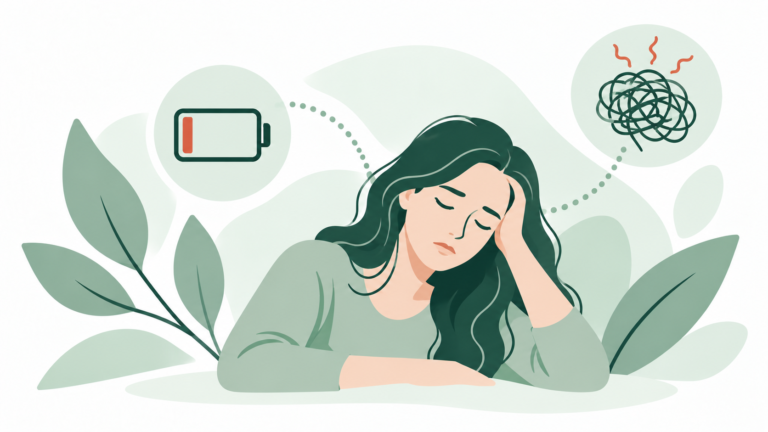
Lyme Disease Fatigue: Causes, Symptoms, and Ways to Manage It
Learn why Lyme disease can cause fatigue, why exhaustion may persist after treatment, and what approaches may help manage symptoms and improve daily functioning.
Read article →LYME DISEASE SYMPTOMS
Explore evidence-based information about fatigue, including symptoms, diagnosis, treatment, and related research.
Lyme disease fatigue can affect physical energy, concentration, and everyday activities. Fatigue is a recognized symptom of early Lyme disease, and some people continue to experience exhaustion after completing recommended antibiotic treatment.
Feeling unusually tired does not necessarily mean Lyme disease is the cause. Sleep problems, pain, medications, and other health conditions can contribute to fatigue. Understanding these possibilities can help people seek appropriate evaluation and support.
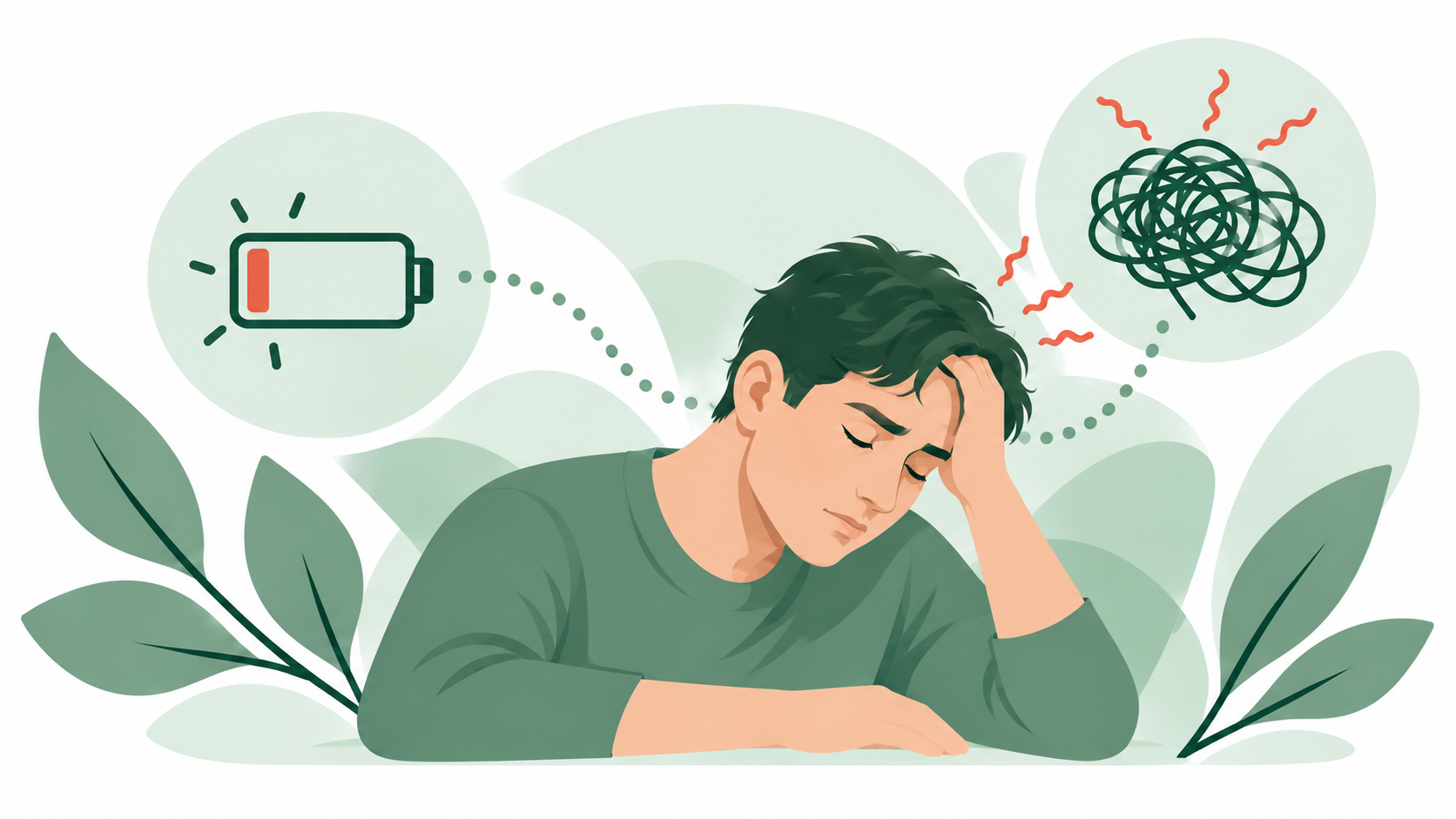
Fatigue is more than simply feeling sleepy after a busy day. People may describe it as a lack of energy, difficulty completing routine activities, or feeling exhausted after tasks that previously seemed manageable.
During early Lyme disease, fatigue may occur alongside fever, headache, muscle aches, joint pain, or an expanding skin rash. Symptoms vary, and not everyone develops the same combination of signs.
Fatigue alone cannot establish a Lyme disease diagnosis. A healthcare professional considers symptoms, possible tick exposure, medical history, and appropriate testing when evaluating suspected infection.
Experiences differ from person to person. Some people describe persistent tiredness, reduced stamina, or difficulty maintaining their usual pace. Others report that fatigue makes concentration, work, exercise, or household responsibilities more difficult.
Fatigue may occur together with pain, sleep difficulties, or problems concentrating. These symptoms can influence one another, making it important to consider the overall picture rather than treating every symptom as a separate problem.
The severity and duration of fatigue do not, by themselves, reveal whether a person has an active Lyme infection.
Lyme disease can cause fatigue during an active infection. However, persistent exhaustion may have several contributing factors, including problems that are unrelated to Lyme disease.
Depending on a person’s symptoms and medical history, a healthcare professional may consider:
These are possibilities to evaluate, not explanations that apply to everyone. Identifying treatable contributing factors may help improve daily functioning.
Most people with Lyme disease recover after appropriate antibiotic treatment. However, some experience prolonged fatigue, pain, or difficulty thinking even after treatment is completed.
The Centers for Disease Control and Prevention recognizes these prolonged symptoms. When a person has persistent symptoms following treatment for Lyme disease, clinicians may use the term post-treatment Lyme disease syndrome (PTLDS) in appropriate circumstances.
Researchers have not established a single explanation for why these symptoms continue in some people. Persistent fatigue does not automatically indicate that bacteria remain active in the body.
Clinical studies have not demonstrated that additional prolonged antibiotic treatment benefits people who have nonspecific persistent symptoms without evidence of reinfection or treatment failure. Further treatment decisions should be based on an individual medical evaluation.
There is no single proven treatment that eliminates persistent fatigue after Lyme disease. Management generally focuses on identifying contributing conditions, addressing symptoms, and supporting daily functioning.
Sleep quality can influence daytime energy. If fatigue occurs with insomnia, frequent awakenings, snoring, or unrefreshing sleep, discussing these symptoms with a healthcare professional may help identify problems that deserve further evaluation.
Pain and other symptoms can also interfere with rest. Addressing treatable problems may be an important part of a broader care plan.
People experiencing fatigue may find it helpful to identify their most demanding activities, allow time for rest, and prioritize essential responsibilities.
Activity plans should be individualized. If exertion consistently causes a substantial worsening of symptoms, avoid pushing through those episodes and discuss the pattern with a healthcare professional.
Fatigue can interfere with employment, education, and personal responsibilities. Depending on the circumstances, support may include workplace adjustments, a gradual return to activities, or referral to services that help people manage ongoing limitations.
Supplements and other products should not be presented as proven treatments for Lyme disease or PTLDS without appropriate clinical evidence. Discuss potential benefits, risks, and interactions with a qualified healthcare professional before using them.
Contact a healthcare professional if fatigue is persistent, worsening, unexplained, or interfering with daily life. Evaluation is especially important when fatigue follows possible tick exposure or occurs with other symptoms suggestive of Lyme disease.
Seek prompt assessment for new facial weakness, a swollen joint, or a severe headache with neck stiffness. Chest pain, fainting, severe breathing difficulty, or stroke-like symptoms require emergency medical care.
If fatigue continues after Lyme disease treatment, a clinician can review previous treatment, assess for possible reinfection or other conditions, and discuss an individualized management plan.
For a more detailed discussion, read our Lyme Disease Fatigue guide . You can also explore our Lyme Disease Symptoms hub or learn more about chronic inflammation and Lyme disease .
Medical disclaimer: This content is for general educational purposes and is not a substitute for professional medical advice, diagnosis, or treatment.
Selected public health and medical resources relevant to this topic.
These sources provide background information and do not imply endorsement of LymeSearch. Individual articles may cite additional topic-specific research.
Explore our published guides, research summaries, and practical information.