Curcumin for Lyme Disease: Benefits, Research, and Safety
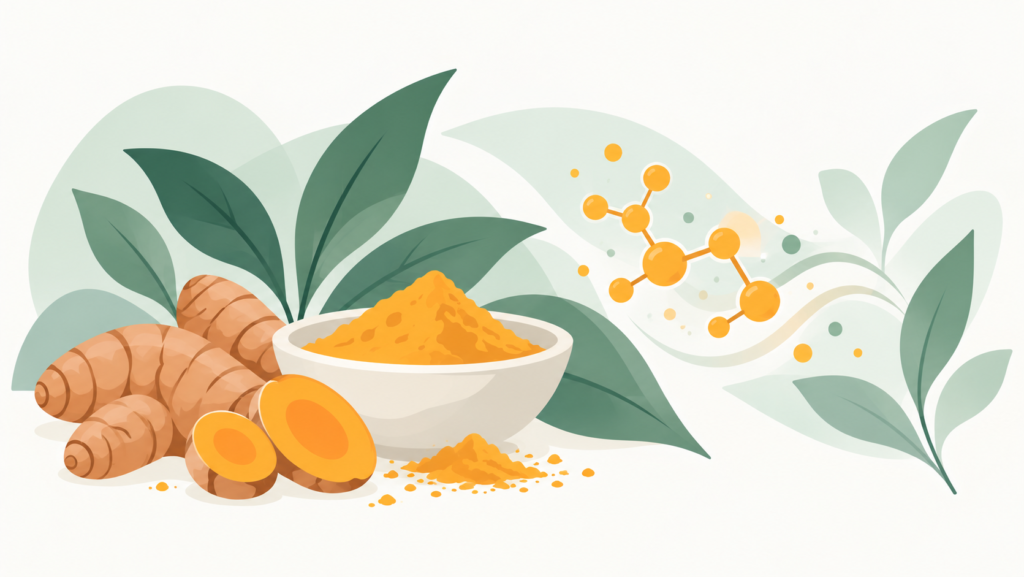
Curcumin is a natural compound found in turmeric that has attracted attention for its potential effects on inflammation and joint discomfort. Here’s what research tells us about curcumin, how it may support general symptom management, and what people with Lyme disease should know before taking it.
Medical Disclaimer
LymeSearch provides educational information and does not offer medical diagnosis or treatment. Supplements are not substitutes for recommended antibiotic treatment of Lyme disease. Consult a qualified healthcare professional before starting supplements, particularly if you take medications or have an existing medical condition.
Affiliate disclosure: LymeSearch may earn a commission when readers buy products through some links on our website. Commissions do not determine how we describe the evidence for any supplement or test. Read our Affiliate Disclosure.
Curcumin for Lyme disease has attracted attention as a potential supplement for managing inflammation and joint discomfort. Researchers have investigated curcumin in several inflammatory conditions, although evidence specific to Lyme disease remains limited.
Curcumin is the best-known curcuminoid in turmeric. Researchers have studied it for its potential anti-inflammatory effects, particularly in conditions involving joint pain.
However, there is an important distinction between research involving osteoarthritis or other inflammatory conditions and research involving Lyme disease. Benefits observed in one condition cannot automatically be assumed to apply to another.
This guide examines the available evidence, potential benefits, supplement formulations, and safety considerations.
What Is Curcumin?
Curcumin is a naturally occurring compound found in turmeric, a yellow-orange spice derived from the root of the Curcuma longa plant.
Turmeric has a long history of culinary and traditional use. More recently, researchers have investigated curcumin for its biological activity, including its potential effects on inflammatory signaling and oxidative stress.
Curcumin is not the same as whole turmeric. Supplements often contain concentrated extracts with substantially different curcuminoid concentrations from those found in food.
These differences matter because studies using concentrated extracts cannot necessarily tell us what to expect from ordinary dietary turmeric.
Curcumin for Lyme Disease: Can It Help With Symptoms?
Interest in curcumin for Lyme disease largely comes from its potential anti-inflammatory properties and research involving other conditions associated with joint discomfort.
Some people experience persistent symptoms after completing recommended antibiotic treatment for Lyme disease. These symptoms may include fatigue, pain, and difficulties with concentration.
When persistent symptoms meet specific clinical criteria, the condition may be described as post-treatment Lyme disease syndrome, or PTLDS.
Although curcumin has been studied in several inflammatory conditions, there is insufficient Lyme-specific clinical evidence to determine whether it improves PTLDS symptoms.
This does not mean researchers have ruled out every possible supportive use. It means that potential benefits remain uncertain and should not be presented as established treatments.
Anyone experiencing persistent or worsening symptoms should discuss them with a healthcare professional rather than assuming they are caused by inflammation alone.
Curcumin and Inflammation
Inflammation is part of the immune system’s response to infection and injury. During Lyme disease, inflammatory processes can contribute to symptoms such as joint pain and swelling.
Curcumin has been investigated for its effects on several biological pathways involved in inflammatory signaling. Laboratory studies have explored interactions with pathways such as NF-kappa B.
Some human trials and research reviews have also reported changes in certain inflammatory markers following curcumin supplementation.
However, these findings do not establish that curcumin reduces Lyme-related inflammation or improves clinical outcomes in people with Lyme disease.
For a broader explanation of inflammation associated with Lyme disease, read our guide to chronic inflammation and Lyme disease .
Curcumin and Joint Discomfort
Interest in curcumin for Lyme disease often centers on joint discomfort. Studies involving osteoarthritis suggest potential benefits, but these findings cannot establish effectiveness for Lyme arthritis.
Joint discomfort is one of the main reasons people consider curcumin supplements. This interest is supported by research examining curcumin in certain non-Lyme joint conditions.
Several clinical studies involving osteoarthritis have reported improvements in pain or physical function with some curcumin formulations.
However, study quality, supplement formulations, and treatment durations vary considerably. The overall evidence remains limited.
Osteoarthritis and Lyme arthritis are different conditions. Lyme arthritis results from infection with Borrelia bacteria and requires appropriate medical evaluation and treatment.
Therefore, improvements reported in osteoarthritis studies cannot be used as proof that curcumin treats Lyme arthritis.
Curcumin may be worth discussing with a healthcare professional as a complementary option for general joint discomfort, depending on the individual’s diagnosis, medications, and medical history.
Curcumin and Fatigue
Fatigue can be one of the most disruptive symptoms reported by people recovering from Lyme disease.
Researchers have explored relationships between inflammation, oxidative stress, and fatigue in various conditions. Because curcumin has demonstrated biological activity in laboratory research, it has attracted interest as a potential supportive supplement.
Nevertheless, evidence that curcumin improves Lyme-related fatigue is currently insufficient.
Persistent fatigue can have multiple contributing factors, including sleep problems, medication effects, and unrelated medical conditions.
For practical information about understanding and managing this symptom, see our article on Lyme disease fatigue .
Why Curcumin Absorption Matters
One challenge with conventional curcumin supplements is that curcumin has relatively low oral bioavailability.
This means that only a limited amount of unchanged curcumin may reach the bloodstream after ingestion.
Manufacturers have developed several formulations intended to improve absorption.
Curcumin With Piperine
Piperine, a compound found in black pepper, can increase the absorption of certain substances, including curcumin in some studies.
However, piperine can also affect how the body processes medications, creating potential interaction concerns.
Curcumin Phytosome
Phytosome formulations combine curcuminoids with phospholipids to modify how the ingredients are delivered and absorbed.
Some studies have reported improved absorption with these formulations compared with conventional extracts.
Better absorption does not automatically mean better symptom relief, and it does not establish effectiveness for Lyme disease.
Other Enhanced Formulations
Additional formulations include micellar, nanoparticle, and other specialized delivery systems.
Their absorption characteristics differ, so doses cannot necessarily be compared directly across products.
How to Choose a Curcumin Supplement
When comparing curcumin supplements, formulation quality and safety information are more useful than exaggerated marketing claims.
Check the Ingredient Label
Look for a clearly identified curcumin or curcuminoid extract, the amount per serving, and any additional ingredients intended to influence absorption.
Consider Independent Testing
Independent quality testing can provide additional confidence that a supplement contains its labeled ingredients and meets applicable quality standards.
Review Medication Interactions
Curcumin supplements may interact with certain medications. Products containing piperine deserve particular attention because piperine can alter drug metabolism.
Avoid Unsupported Claims
Be cautious of products claiming to eliminate Borrelia bacteria, cure chronic Lyme disease, or replace antibiotics.
These claims are not supported by established clinical evidence.
Explore additional information in our Lyme disease supplements guide .
Curcumin Dosage and Safety
There is no clinically established curcumin dose for treating Lyme disease symptoms.
Research studies involving other conditions have used different doses, formulations, and treatment durations.
These study protocols should not be interpreted as dosing recommendations for Lyme disease.
Possible Side Effects
Curcumin supplements can cause gastrointestinal symptoms, including nausea, abdominal discomfort, and diarrhea.
Rare cases of liver injury have also been reported with turmeric and curcumin supplements, particularly some concentrated or enhanced-absorption products.
Who Should Be Cautious?
People with liver disease, gallbladder conditions, or those taking prescription medications should consult a healthcare professional before using concentrated curcumin supplements.
Additional caution may be necessary for people taking anticoagulants or other medications with potential interaction risks.
Supplement use during pregnancy or breastfeeding should also be discussed with a qualified healthcare professional.
If you develop symptoms such as yellowing of the skin or eyes, dark urine, or unusual abdominal pain while taking a supplement, stop taking it and seek medical advice promptly.
Frequently Asked Questions
Is curcumin good for Lyme disease?
Curcumin has been investigated for potential anti-inflammatory effects and joint discomfort in other conditions. However, there is insufficient clinical evidence to establish benefits specifically for Lyme disease.
Can curcumin reduce Lyme-related inflammation?
Some studies suggest curcumin may influence inflammatory markers, but whether these effects translate into meaningful improvements in Lyme-related symptoms remains unknown.
Is curcumin phytosome better than regular curcumin?
Some phytosome formulations demonstrate improved absorption compared with conventional curcumin extracts. However, improved absorption does not necessarily mean better clinical outcomes.
Can curcumin help with PTLDS?
There is currently insufficient clinical evidence to determine whether curcumin improves fatigue, pain, or other symptoms associated with post-treatment Lyme disease syndrome.
Can I take curcumin while taking antibiotics?
Potential interactions depend on the antibiotic, supplement formulation, and other medications. Ask your pharmacist or prescribing healthcare professional before combining them.
The Takeaway
Research on curcumin for Lyme disease remains limited, although studies involving other conditions have explored its potential effects on inflammation and joint discomfort.
Curcumin may have a role in general joint-health discussions, but its effectiveness for Lyme disease symptoms has not been established.
Anyone considering supplementation should prioritize appropriate medical treatment, review possible interactions, and choose products with clear labeling and reliable quality controls.
When considering curcumin for Lyme disease, it is important to distinguish general research on inflammation from clinical evidence involving people with Lyme disease.
The goal is to make informed decisions based on the available evidence rather than promises that go beyond the research.
- National Center for Complementary and Integrative Health Turmeric
- Centers for Disease Control and Prevention Lyme Disease
- National Institute of Diabetes and Digestive and Kidney Diseases Turmeric — LiverTox
These resources provide general background on turmeric safety and Lyme disease. They do not establish curcumin as an effective treatment for Lyme disease or PTLDS.